
Malaysian State Weighs Crocodile Farms to Supply Global Fashion Brands
As many fashion brands move toward more compassionate and sustainable materials, officials in the Malaysian state of Sarawak are considering developing a commercial crocodile farming industry to supply leather to international markets, including luxury houses that continue to trade in exotic skins.
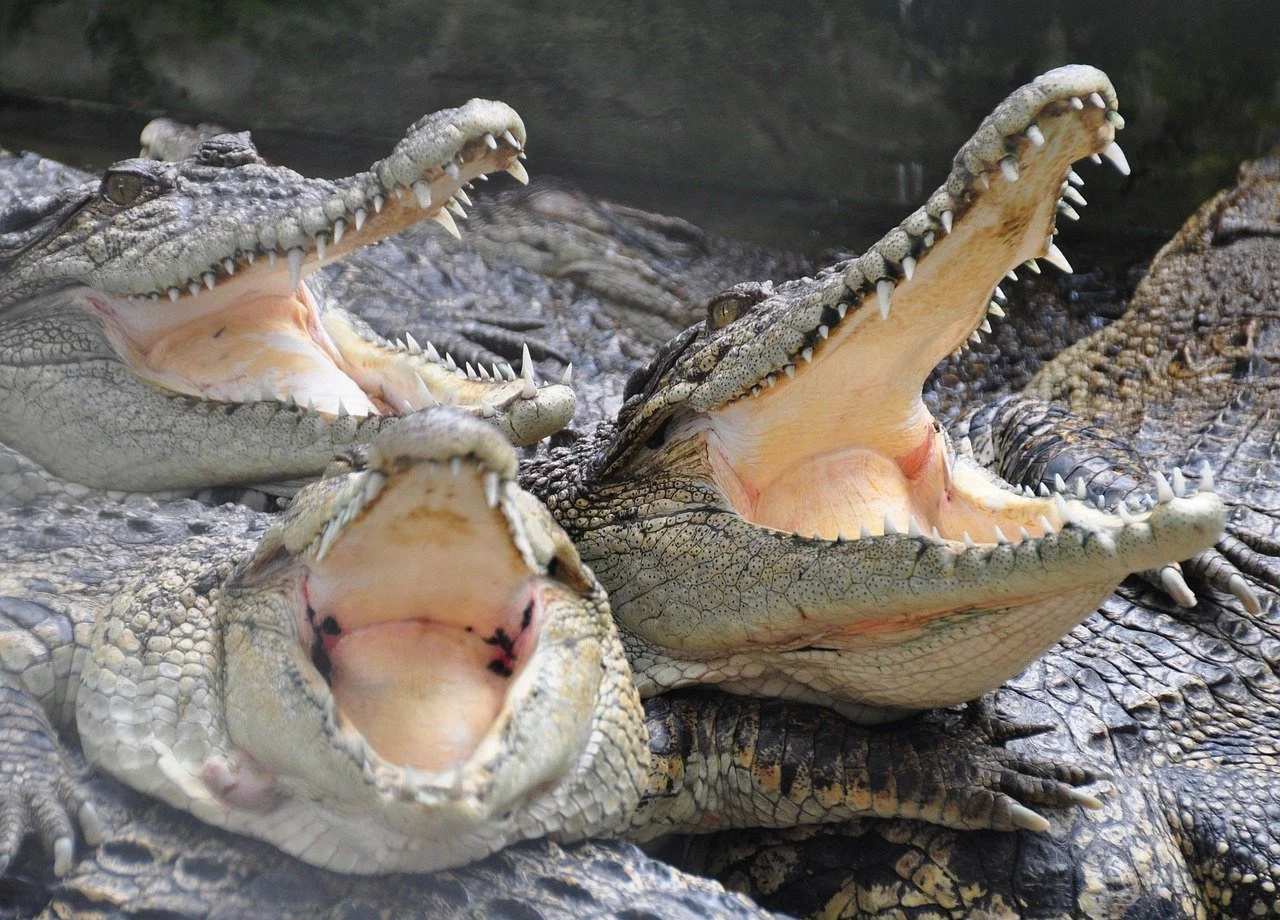
The Minister for Tourism, Creative Industry and Performing Arts recently suggested that the state may open crocodile farms modeled after Thailand’s industry, which produces meat for human consumption as well as skins, noting that “major international brands prefer farmed crocodile skins because they offer consistent texture and quality, which are crucial for high-end leather goods.”
This focus on supplying luxury fashion markets while also farming crocodiles for meat stands in sharp contrast to local values, where many Indigenous communities in Sarawak, a state that is home to wild crocodile populations, consider crocodile meat taboo. Rather than providing tangible benefits to the community, this business would introduce a cruel, dangerous, and polluting industry primarily to fuel an outdated and unsustainable fashion market.
If crocodile farming expands across Malaysia, countless more animals will suffer the same cruelty documented on commercial farms throughout Asia. Farmed crocodiles are confined to small, barren concrete enclosures, denied any semblance of their natural habitat, where they suffer short, miserable lives and violent deaths.
Workers on these farms also face serious risks in what is considered one of the world’s most dangerous jobs. Severe injuries and even fatal attacks are frequently reported in poorly regulated facilities where these powerful animals suffer from extreme stress and desperation.
In the wild, crocodiles can live up to 60 years. On farms, they are typically killed before the age of two, often by having their throats cut and spinal cords severed. Many remain conscious as they are skinned, experiencing prolonged and unimaginable suffering.
While countless brands are switching to more compassionate and sustainable materials, fashion houses like Louis Vuitton that refuse to move beyond exotic skins continue to drive global demand for products that kill millions of animals each year. This is not progress. Brands like Louis Vuitton should be ashamed of fueling the expansion of this cruel industry.
If you have not already, please sign and share our petition below calling on Louis Vuitton to commit to ending the use of exotic skins and the torture and exploitation of crocodiles.