
Tuesday was a good night to be a duck or a goose, as voters in both Washington, D.C., and Denver, Colorado, passed ballot initiatives to ban foie gras within their city limits. Both measures passed with overwhelming support, with D.C.’s Initiative 86 securing more than 73% of the vote and Denver’s Measure 311 winning more than 66%. Both bans are set to take effect on July 1, 2027.
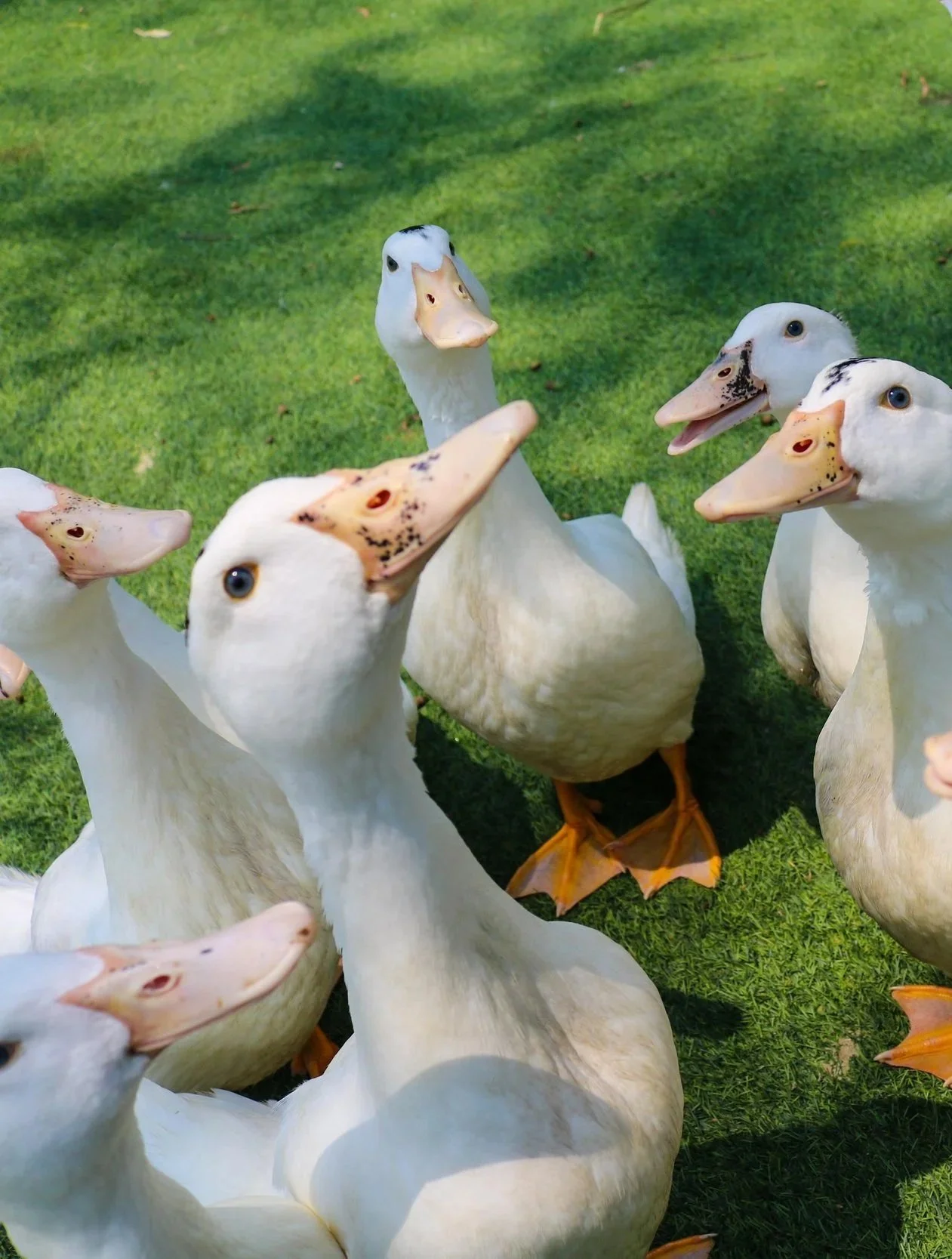
Although D.C. and Denver are the second and third U.S. cities to outlaw foie gras this year, following a ban passed by the Portland, Oregon, city council in June, these victories are historic as the first foie gras bans in the United States approved directly by voters. Both measures outperformed early internal polling by Pro-Animal Future, the organization behind the initiatives, by 10 points, with more than 250,000 people voting to protect ducks and geese from suffering in the two cities.
These victories came after weeks of heated local debate, particularly in D.C., where campaigners brought in a duck named Olivia Gray to serve as a mascot for the anti-foie gras movement, helping put a face to the animals who suffer behind this so-called French delicacy. The campaign also faced vocal opposition, most notably from local chef Bart Hutchins, who launched a foie gras tasting menu at his Capitol Hill restaurant in protest of the ballot initiative, claiming that during his visits to foie gras farms, the ducks did not seem to mind being force-fed. Hutchins has said he will continue serving foie gras despite the ban and any potential fines.
Hutchins’ claims about the experience of the ducks and geese used for foie gras could not be further from the truth. The process of pumping food into the birds’ stomachs through metal tubes, known as “gavage,” is so cruel that foie gras production is banned in 20 countries as well as in the state of California. Force-feeding these birds until their livers swell to 6 to 10 times their normal size can cause injuries to their beaks and throats, psychological distress, and multiple organ failure before they are eventually slaughtered.
Thankfully, voters in both D.C. and Denver saw past the misleading narratives of people like Hutchins and cast their ballots with compassion, creating two new safe havens in the United States where this product of cruelty will no longer be permitted. These wins will hopefully bring renewed energy to the larger fight to ban foie gras nationwide, where it should already be illegal under the Poultry Products Inspection Act, enforced by the U.S. Department of Agriculture, which requires that “diseased poultry carcasses and parts be condemned.” Because foie gras is the direct result of forcibly induced fatty liver disease in ducks and geese, this product has no business being sold anywhere in the United States. You can join the growing movement against foie gras by signing our petition calling on the USDA to respect its own regulations and ban this product for good.