
22 North Atlantic right whale calves born in the 2025-2026 calving season
Hope re-emerges for the critically endangered species.
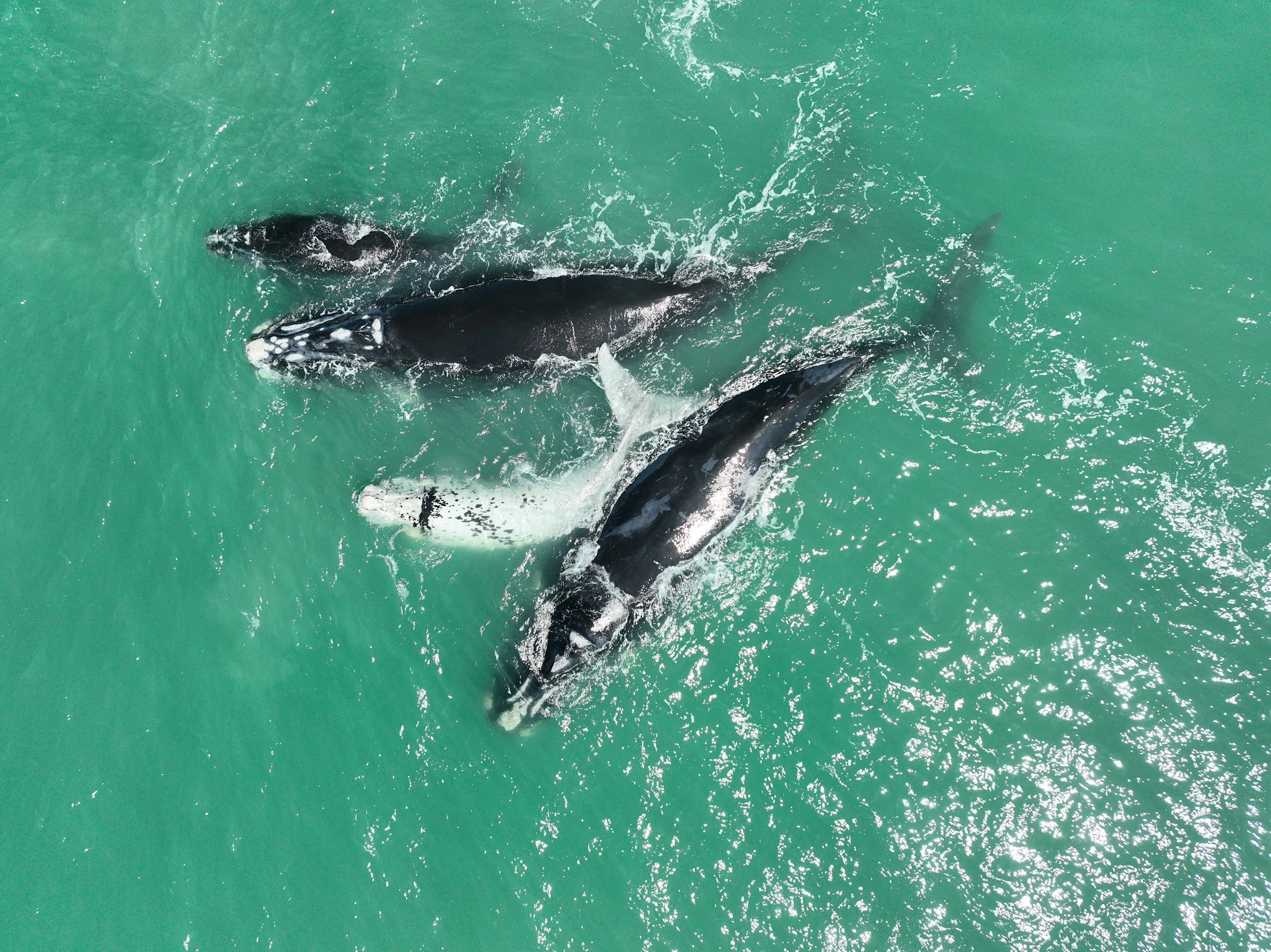
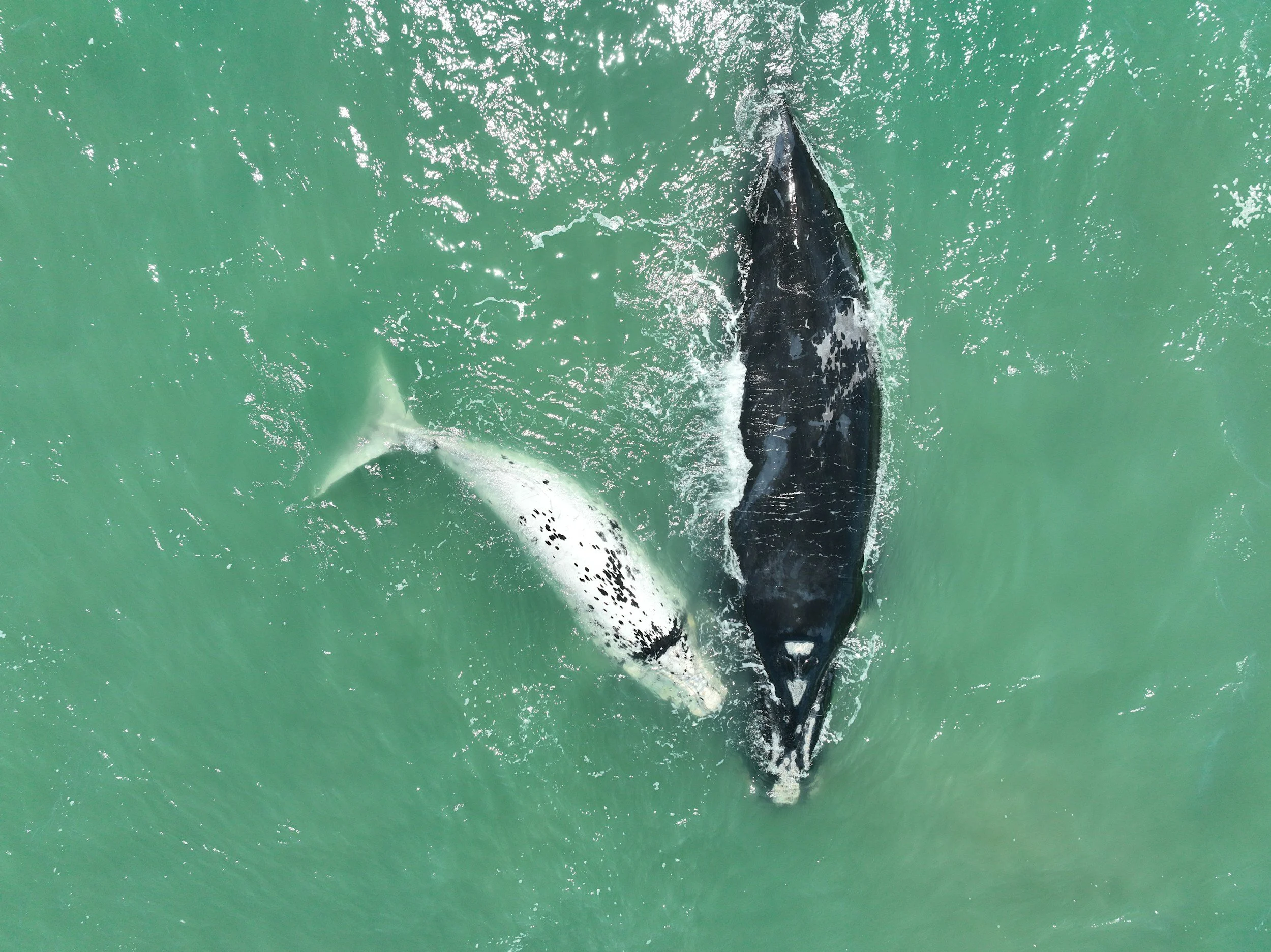
Researchers have reported that 22 North Atlantic right whale calves have been born in the most recent calving season - double the number from the previous season, which only saw 11 calves being born.
This increase represents hope for a species that has seen several years of decline.
Only approximately 380 right whales remain, with around 70 reproductively active females.
Conservationists remind that a more steady increase will be necessary for numbers to rebound and for the species' survival to be secured: 50 or more calves per year would need to be born for right whale numbers to recover to a healthy level.
Female right whales become sexually mature at around ten years old, producing one calf after a year-long pregnancy. Normally, females give birth every three to four years - but due to human interference and the climate crisis, births are occurring every 7 to 10 years. In 2024 alone, 2% of the right whale population was lost.
The North Atlantic right whale, a species present in the Atlantic coast of North America, is at risk due to historic whaling activities which saw overexploitation of these animals in the 18th and 19th centuries. The fishing industry, which causes the whales to get trapped in netting, is also a factor in their decline. Furthermore, the human-created climate crisis also affects the animals' habitat and limits their food sources.
The US’ National Oceanic and Atmospheric Administratio is considering altering current regulations to prevent ships from interfering with the whales’ habitats and colliding with the animals. The NOAA is seeking to reduce financial damages following the amendments to speed limits on large vessels introduced in 2008.
The NOAA puts forward the argument that modern technologies can prevent collisions between ships and animals. "This action is an important step in implementing the President's vision of adopting modern technologies, supporting American industry, and promoting efficient and effective regulations," said NOAA administrator Neil Jacobs.
However, experts claim the technology isn't advanced enough to be efficient in preventing collisions. Satellites, thermal imaging and aerial, drone or boat surveys can contribute to improvement but are not enough to guarantee collisions don’t happen. "The new technology doesn't quite exist," said Sean Brillant, marine program co-ordinator of the Canadian Wildlife Federation. "It's a great idea that we should be looking for it, but in the meantime, it's not a time to deregulate what actions we do have now."
"I think it would be great if the new technologies were brought in in addition to the speed rule because that would give added protection," says Moira Brown, director of science at the Canadian Whale Institute. Brown also stated that while speed limits alone are not enough to enact change, the proposal to alter them is a "huge conservation setback."
According to her view, infrared cameras mounted onto ships can assist with detecting distant whale presence - but this technology is still in the experimental phase.
Whales are under threat across the world. Please join Species Unite in urging Prime Minister Kristrún Frostadóttir and Iceland’s new government to take decisive action and ban whaling once and for all.
We Have A Favor To Ask…
Species Unite amplifies well-researched solutions to some of the most abusive animal industries operating today.
At this crucial moment, with worldwide momentum for change building, it’s vital we share these animal-free solutions with the world - and we need your help.
We’re a nonprofit, and so to keep sharing these solutions, we’re relying on you - with your support, we can continue our essential work in growing a powerful community of animal advocates this year.



The designer says there is “no wool on the runway this season,” as her Paris Fashion Week collection takes on industrial fishing and the oceans.